
Services and conditions treated
Patients want to know you treat their specific problem, not just your modality.
Allied health website design for physiotherapists, occupational therapists, speech pathologists, podiatrists, audiologists, and other private practice owners who need a professional web presence that attracts self-referred patients and communicates their expertise.
Running a private allied health practice means wearing a lot of hats. Marketing is usually the last one anyone wants to deal with — but your website is often the first place a potential patient goes before deciding whether to book. If it doesn’t clearly communicate what you do, who you help, and how to get started, you’re losing patients you never knew you had.
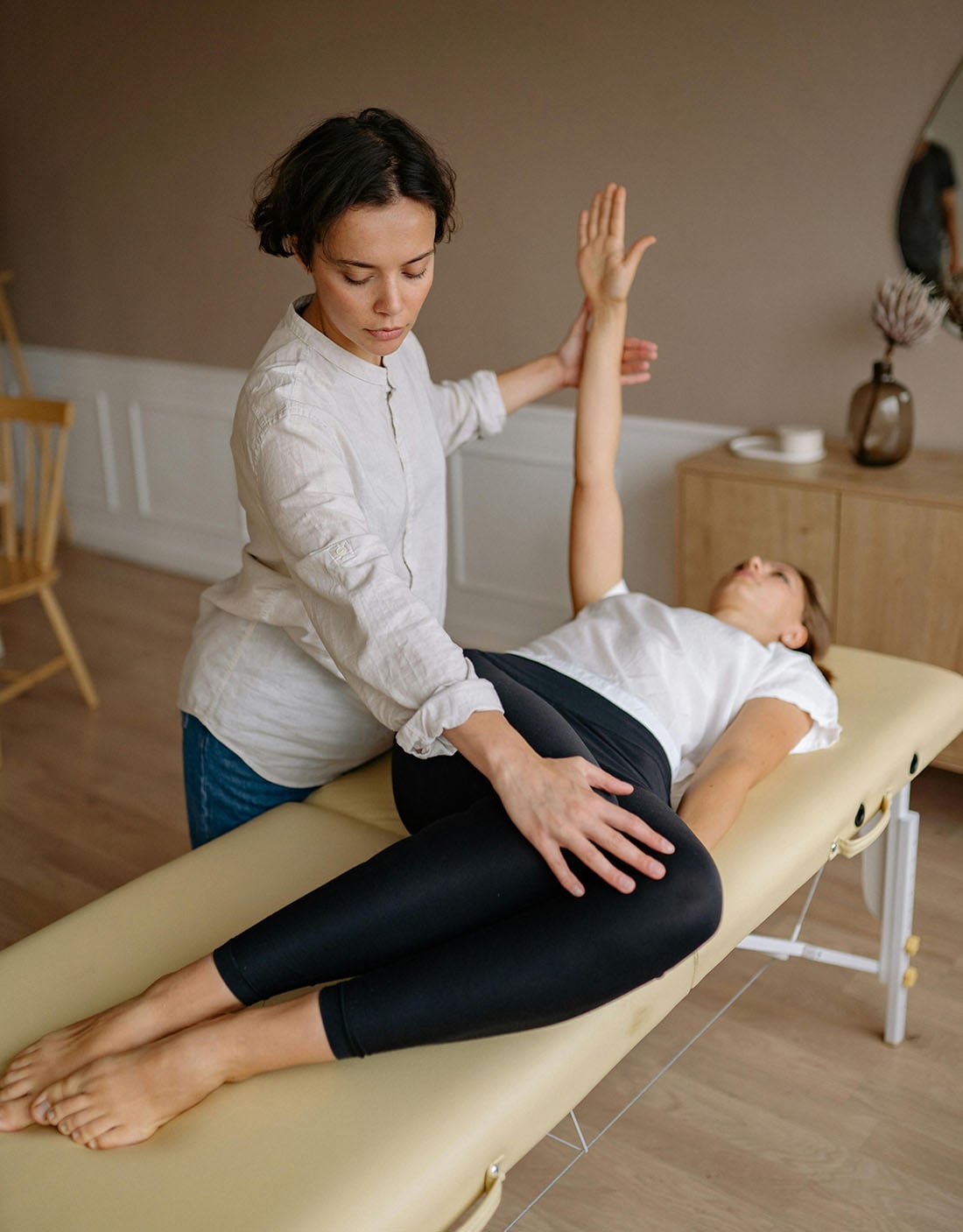
Allied health website essentials
Most visitors landing on a dental website have a specific need. Understanding what they're looking for shapes every design and SEO decision.
Patients want to know you treat their specific problem, not just your modality.
Qualifications and experience build confidence before a patient ever contacts you.
A clear, frictionless path to an appointment is what converts visitors into patients.
What to expect, what to bring, how long appointments take. Answer it upfront.
They're searching locally. Suburb, hours, and parking should be easy to find.
Reviews, credentials, and team photos reduce hesitation between visiting and booking.

Whether they were referred or found you through Google, your website is where they decide if they're going to call.
Allied health practices often rely heavily on GP referrals – which can create a false sense that the website doesn’t matter much. But even referred patients look you up before booking. They want to see who they’re seeing, what to expect, and whether the practice feels right for them. A poor website loses patients who were already half-convinced.
For self-referred patients the stakes are higher. Someone searching for a physio or podiatrist in their suburb is actively comparing options. Your website needs to communicate clearly what you treat, who your practitioners are, and how to book – or they’ll move on to the next result.
There’s also a trust dimension that’s specific to allied health. Patients are often dealing with pain, injury, or a condition that affects their daily life. A website that explains your approach, shows your team as real people, and sets honest expectations for treatment does a lot of the work before anyone picks up the phone.
Everything you need
Every build is tailored to your discipline and your patients - not a generic healthcare template with your logo dropped in.
Built around your practice's brand and your patients' expectations.
Copy, claims, and review features reviewed against current guidelines.
Booking integration
Structured for visibility for the searches your patients are doing in Google & AI.
Beautifully responsive across all devices, especially mobile representing 60-80% of users.
Keep your website running at it's best with ongoing support packages.
Common FAQs
A few things allied health practitioners commonly ask before getting started.
Yes. A sole trader doesn’t need a large, complex site – they need a focused one that does the right job for their specific patient base. Scope and investment are tailored to what your practice actually needs.
Yes. Cliniko is the most common system we integrate, but HotDoc and most other allied health platforms work just as well. The goal is a booking experience that feels like a natural part of your site.
Most allied health practitioners are AHPRA-registered, which means yes — guidelines around advertising, testimonials, and treatment claims apply to your website. Compliance is built into the process from the start, not checked at the end.
Patients find practitioners through Google search, Google Maps, AI tools, and referrals – and your website influences all of them. Every build includes on-site SEO as standard, which is the foundation everything else builds on.
Yes. Communicating clearly across several specialties without the site becoming hard to navigate is something we’ve done before and enjoy getting right.
Every discipline, covered
Different disciplines have different patient journeys. Here's how we approach each one.
Condition-focused service pages and clear booking pathways that convert local searches into appointments.
Built to speak to multiple audiences — patients, carers, and referrers — without losing clarity.
Designed for parents first. Clear, reassuring, with straightforward referral and booking pathways.
Structured around conditions treated, not a generic services list. Better for search, better for patients.
Clean, accessible design with clear service descriptions and simple first-appointment information.
Sensitive, considered design that builds trust with patients who are often in a vulnerable headspace.
Not sure where to start?
A short discovery call costs nothing. We'll ask the right questions and give you an honest assessment.
Our services
Whether you're a GP, dentist, NDIS provider, or allied health professional - we can build a quality website for your organisation.
Websites for GPs, specialists, and medical practices that build patient trust and get you found online
Professional websites for NDIS providers that attract participants and communicate your services clearly
Dental website design that converts local searches into new patient bookings
WordPress, small business, Webflow, and more — see all website services